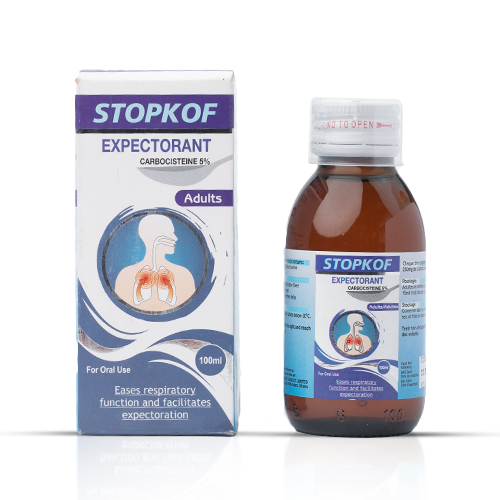
PRODUCT DETAILS
Composition
Typical formulation contains:
- Diphenhydramine → first-generation antihistamine (sedating)
- Ammonium chloride → expectorant (helps loosen mucus)
Uses / Indications
Used for relief of:
- Dry or irritating cough
- Cough associated with colds
- Throat irritation
- Runny nose and sneezing (due to antihistamine effect)
- Chest congestion (helps loosen mucus via ammonium chloride)
Direction for Use
- Take as directed on the label or by a clinician
- Usually taken every 6–8 hours
- Use measuring cup/spoon for accuracy
- Do not exceed recommended daily dose
- Can be taken with or without food
Side Effects
Common:
- Drowsiness (very common due to diphenhydramine)
- Dry mouth
- Dizziness
- Blurred vision
- Mild stomach upset
Less common:
- Restlessness (especially in children)
- Thickened mucus (can sometimes feel “heavier” if dehydrated)
Rare:
- Allergic reaction
- Confusion (elderly patients)
Warnings
- Causes significant drowsiness → avoid driving or alcohol
- Use cautiously in:
- Glaucoma
- Asthma (thickened secretions may worsen symptoms in some cases)
- Enlarged prostate (urinary retention risk)
- Not recommended for young children unless prescribed
- Do not combine with other sedating antihistamines or cough syrups
Interactions
May interact with:
- Alcohol → increased sedation
- Sleeping pills or sedatives → excessive drowsiness
- Other antihistamines → additive side effects
- MAO inhibitors → dangerous CNS effects
Cautions
Use carefully in:
- Elderly patients (confusion, falls risk)
- Liver disease (slower drug metabolism)
- Respiratory conditions (use cautiously in chronic bronchitis/asthma)


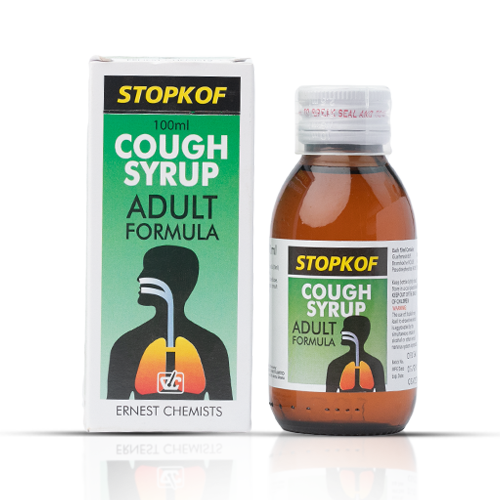
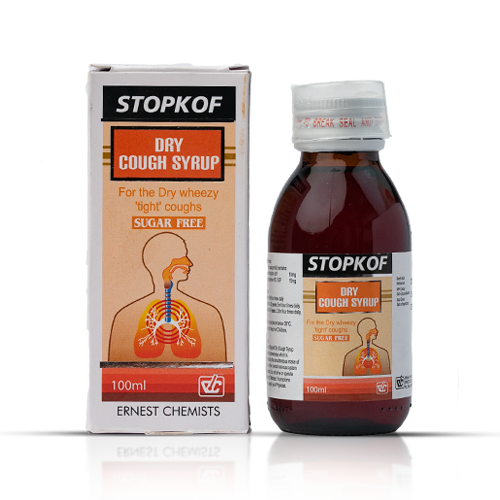
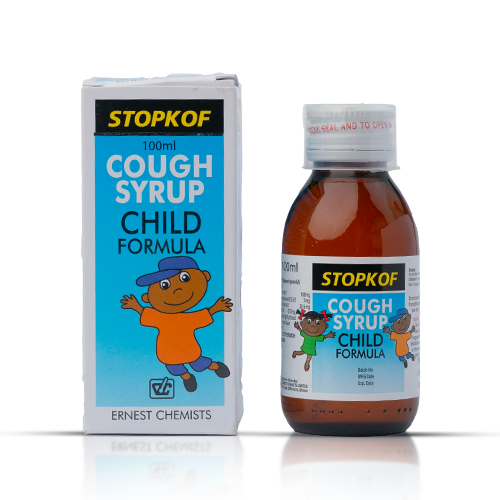
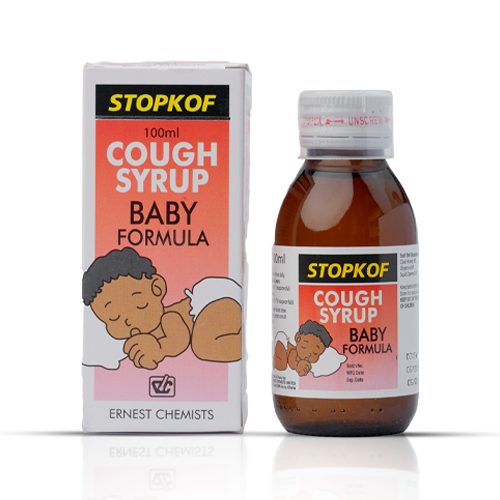
 JNR SYR 100ML.png)