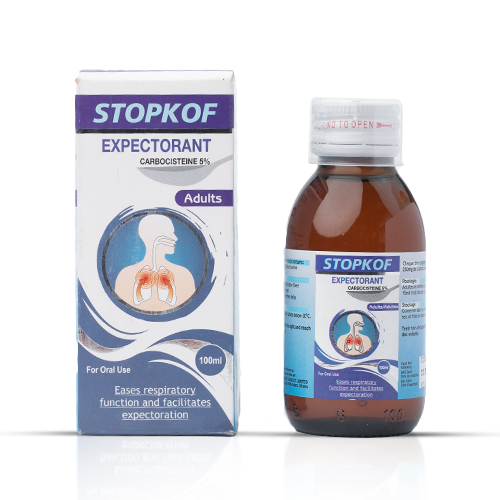
PRODUCT DETAILS
Composition
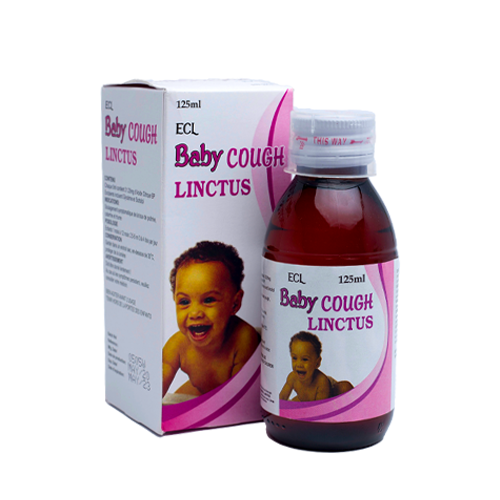
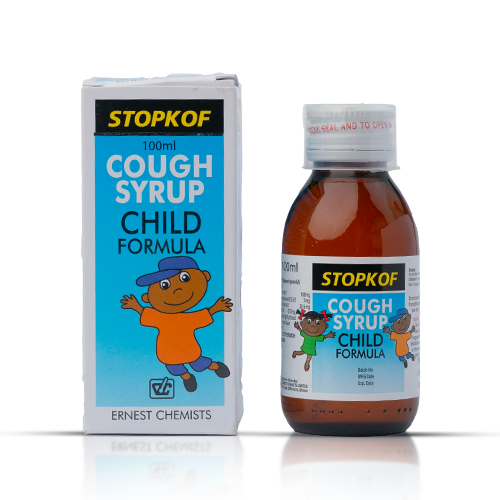
Benylin Paediatric formulations vary slightly by country, but commonly contain:
- Diphenhydramine → antihistamine (reduces cough reflex, sneezing, runny nose)
- Sometimes mild soothing agents or flavouring base (non-active excipients)
Some versions may be diphenhydramine-only antihistamine syrup for children.
Uses / Indications
Used for symptom relief in children with:
- Dry cough
- Cough associated with colds
- Runny nose
- Sneezing
- Mild throat irritation
👉 It does not treat infections, only symptoms.
Direction for Use
- Give only as directed by a doctor or label instructions
- Dose is based on age and sometimes weight
- Usually given every 6–8 hours
- Use an accurate measuring device (not household spoon)
- Do not exceed recommended daily dose
Side Effects
Common:
- Drowsiness or sleepiness (very common)
- Dry mouth
- Dizziness
- Mild stomach upset
Less common:
- Restlessness or irritability (some children instead of sleepiness)
- Difficulty concentrating
Rare but serious:
- Confusion or agitation (especially overdose)
- Allergic reaction
Warnings
- May cause significant drowsiness → caution with school or activities
- Do not combine with other antihistamines or sedating cough syrups
- Avoid alcohol-containing preparations in children
- Overdose risk if combined with other cold medicines containing diphenhydramine
Important Paediatric Safety Notes
- Not recommended for very young children (especially under 2 years) unless prescribed
- Use cautiously in:
- Asthma (may thicken secretions)
- Glaucoma
- Urinary problems
- Always follow weight/age dosing strictly
Interactions
May interact with:
- Sedatives or sleeping medicines → excessive drowsiness
- Other antihistamines → increased side effects
- Certain antidepressants (MAO inhibitors) → dangerous reactions

 JNR SYR 100ML.png)