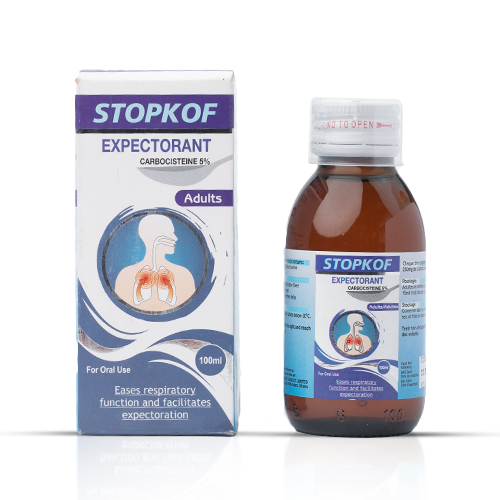
Composition
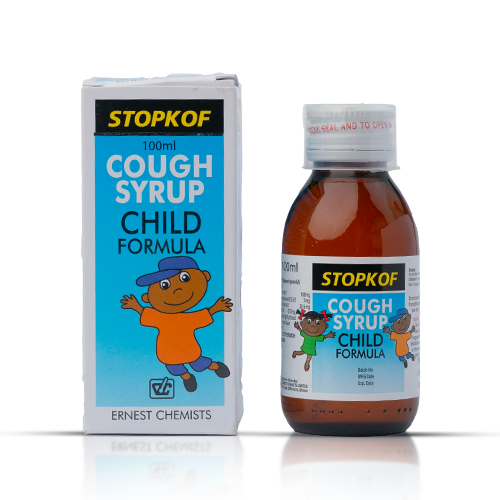
Each 5 mL typically contains:
- Ammonium chloride 100 mg – expectorant
- Sodium citrate 50 mg – mucolytic/expectorant aid
- Levomenthol 7.75 mg – throat soothing agent
- Squill tincture 1 mcL (microlitre) – expectorant (increases mucus clearance)
Uses / Indications
Used for:
- Productive (chesty) cough
- Thick mucus or phlegm in the chest
- Cough associated with colds or bronchitis
- Helps loosen and clear mucus from airways
Unlike dry-cough syrups, this medicine is meant to bring out phlegm, not suppress cough.
Direction for Use
- Taken by mouth (oral syrup)
- Usually 2–3 times daily (dose depends on age and prescription)
- Shake well before use
- Use measuring spoon/cup for accuracy
- Take after food if it causes stomach discomfort
- Drink plenty of water to help loosen mucus
Side Effects
Common side effects:
- Mild nausea or stomach irritation
- Drowsiness (mild)
- Dizziness
- Mild throat irritation
Less common:
- Vomiting
- Allergic skin reactions (rash, itching)
Rare:
- Excessive salivation or stomach upset (from squill)
- Electrolyte imbalance if overused
Warnings
- Do NOT use for dry cough without mucus
- Caution in patients with:
- Kidney disease (ammonium salts)
- Severe stomach ulcers
- Avoid overdosing (can irritate stomach and cause toxicity)
- Use cautiously in children (dose must be adjusted carefully)
Interactions
May interact with:
- Other cough/cold medicines (risk of duplication of ingredients)
- Alcohol (may increase drowsiness or irritation)
- Antihistamines (may reduce mucus clearance)
- Certain diuretics or electrolyte-altering drugs (rare relevance)
Cautions / Precautions
- Drink plenty of fluids to improve mucus clearance
- Stop and seek medical advice if:
- Cough lasts more than 1–2 weeks
- High fever or chest pain develops
- Breathlessness occurs
- Avoid combining with cough suppressants unless prescribed (can trap mucus)
- Use only recommended dose to avoid stomach irritation

 JNR SYR 100ML.png)