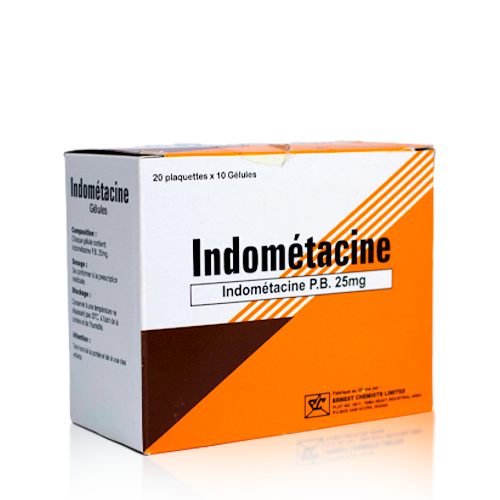
PRODUCT DETAIL
Composition
Each tablet contains:
Ibuprofen is a non-steroidal anti-inflammatory drug (NSAID).
Uses / Indications
Used for pain, inflammation, and fever, including:
- Headache and migraine
- Toothache
- Period pain
- Muscle and back pain
- Joint pain and arthritis
- Cold and flu symptoms (aches, fever)
It also reduces inflammation, unlike paracetamol.
Direction of Use
- Adults and children 12 years and over (for 200 mg strength)
- Usually: 1–2 tablets every 4–6 hours as needed
- Maximum OTC dose: 1200 mg per day (6 tablets of 200 mg)
- Take with food or milk to reduce stomach irritation
- Short-term use only unless advised by a doctor
Side Effects
Common:
- Stomach pain or heartburn
- Nausea or vomiting
- Dizziness
- Headache
Serious (important NSAID risks):
- Stomach ulcer or bleeding
- Kidney damage (especially with dehydration)
- Increased blood pressure
- Fluid retention (swelling)
- Increased risk of heart attack or stroke (long-term/high dose use)
Warnings / Precautions
- Take with food to protect stomach
- Avoid if you have:
- Active stomach ulcer
- Severe kidney or heart disease
- NSAID allergy or aspirin-sensitive asthma
- Do NOT combine with:
- Other NSAIDs (e.g. aspirin, diclofenac)
- Alcohol (increases stomach bleeding risk)
- Use cautiously in:
- High blood pressure
- Asthma
- Kidney or liver problems
- Overuse can cause serious stomach bleeding
Drug Interactions
- Blood thinners (warfarin, aspirin) → bleeding risk
- Other NSAIDs → overdose/ulcer risk
- Blood pressure medicines → reduced effect
- Diuretics → kidney strain
- Steroids or SSRIs → increased GI bleeding risk
- Alcohol → stomach irritation and bleeding
Contraindications / Caution
Avoid if:
- Allergy to ibuprofen/NSAIDs
- History of stomach bleeding or ulcers
- Severe heart, kidney, or liver failure
- Last trimester of pregnancy


 50-500mg Tablets 10'.png)

 Syrup 60ml.png)
 Tabs 400MG 500'.png)
 Berry Flavour 100ML.png)
 Original Flavour 100ML.png)