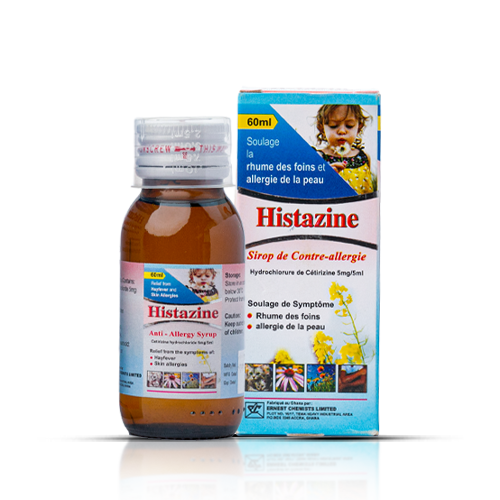
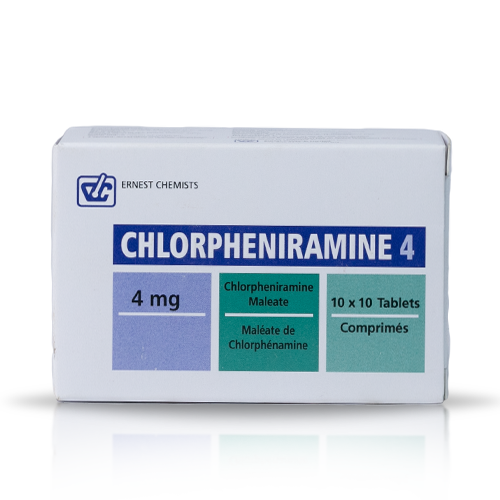
Composition:
- Loratadine 5 mg per 5 mL (1 mg/mL)
- Excipients may include: glycerol, propylene glycol, sucralose/sorbitol/maltitol, sodium benzoate, citric/phosphoric acid, flavoring agents, and purified water (varies slightly by manufacturer)
Use / Indication:
Used for the relief of symptoms of allergic conditions, including:
- Allergic rhinitis (hay fever: sneezing, runny or itchy nose, nasal congestion)
- Allergic conjunctivitis (itchy/watery eyes)
- Chronic urticaria (hives and skin itching)
Direction of Use:
- Adults and children ≥12 years: 10 mL (10 mg) once daily
- Children 2–12 years:
o 30 kg: 10 mL once daily
- Not recommended for children under 2 years
- Can be taken with or without food
Side Effects:
- Headache (common in children)
- Fatigue or tiredness
- Nervousness
- Drowsiness (uncommon but possible)
- Increased appetite
- Insomnia
- Rare: rash, dry mouth, dizziness, palpitations, allergic reactions
Warnings:
- Do not exceed recommended dose
- Discontinue and seek medical help if severe allergic reaction occurs
- Stop at least 48 hours before allergy skin testing
- Use caution in severe liver impairment (dose adjustment may be needed)
- Very rare cases of serious liver or hypersensitivity reactions have been reported
Drug Interactions:
- CYP3A4 or CYP2D6 inhibitors may increase loratadine levels
- Alcohol does not significantly increase sedative effects, but caution is still advised
- May interact with strong antifungals or certain antibiotics affecting liver enzymes
Caution:
- Use in pregnancy only if clearly necessary (risk vs benefit)
- Avoid breastfeeding use unless advised by a clinician (passes into breast milk)
- Use carefully in liver disease
- Although considered “non-drowsy,” some patients may still experience sedation or fatigue
- Avoid driving or operating machinery if affected

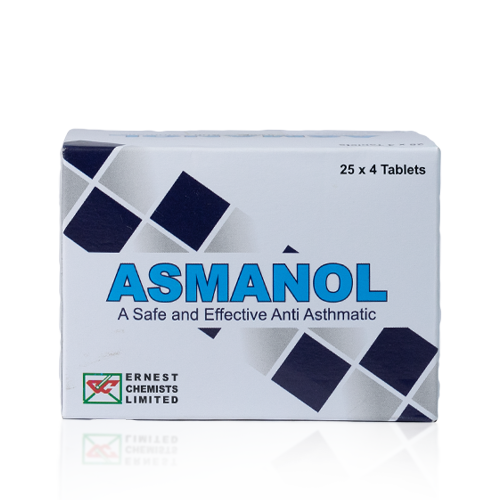

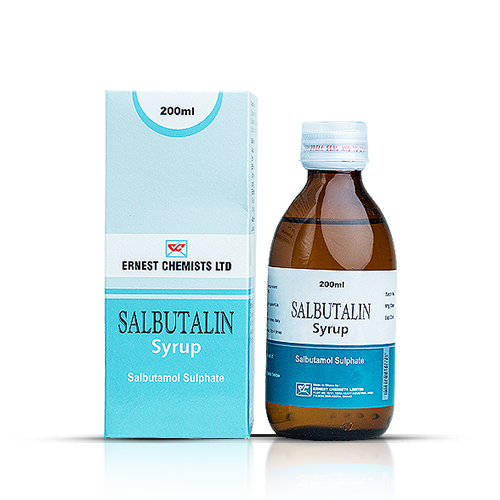
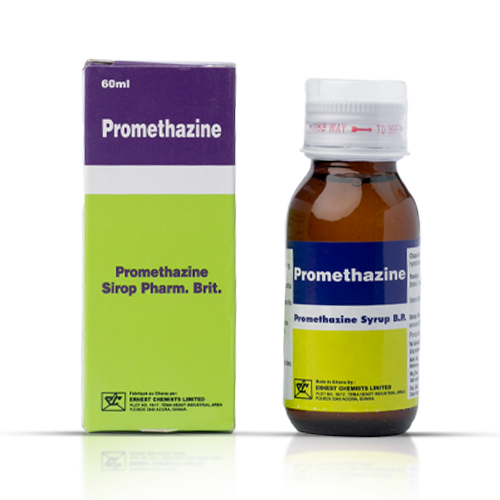
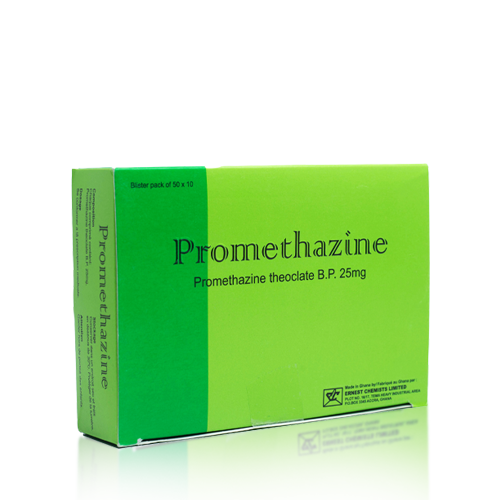
 Tablets 10mg 100'.png)