PRODUCT DETAILS
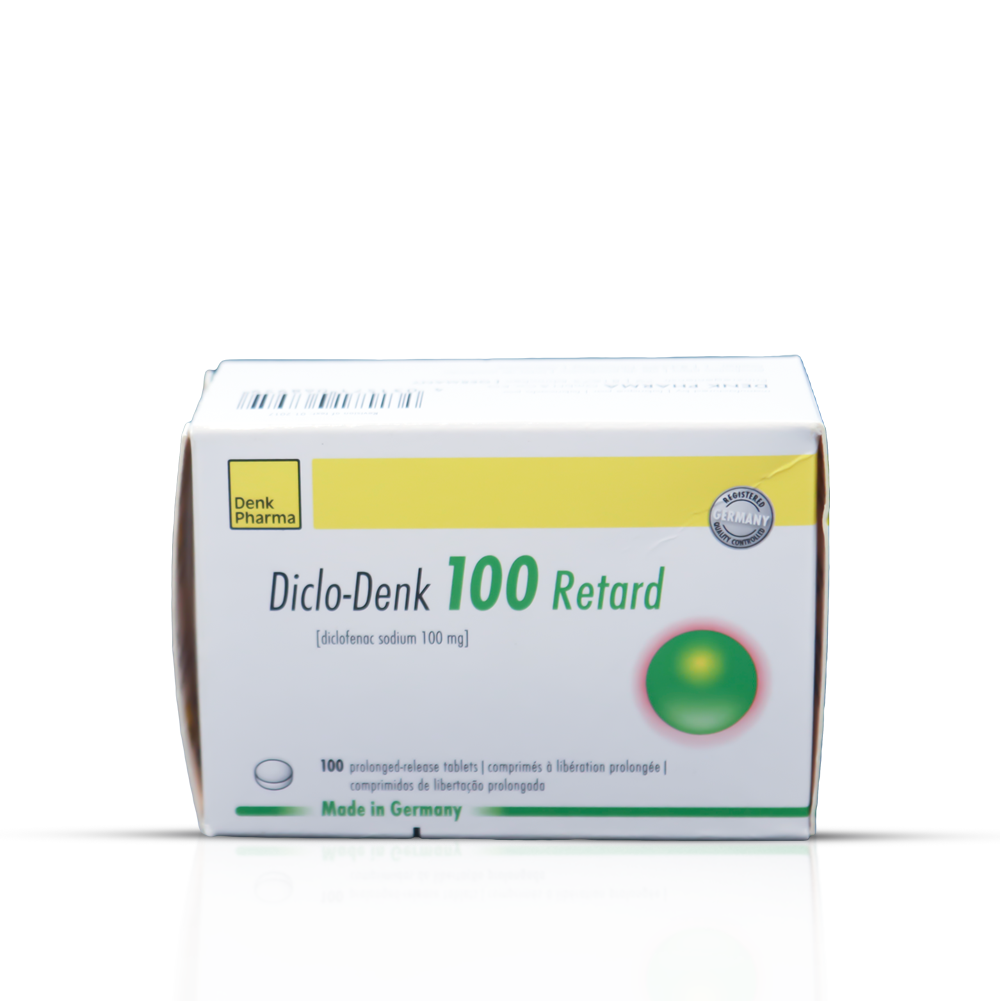
Composition
- Diclofenac potassium 50 mg
Category / Class
- Non-steroidal anti-inflammatory drug (NSAID)
- Analgesic and anti-inflammatory medicine
Use / Indications
Used for:
- Mild to moderate pain
- Musculoskeletal pain
- Rheumatoid arthritis
- Osteoarthritis
- Menstrual pain (dysmenorrhea)
- Dental pain
- Post-operative pain
- Migraine attacks (in some formulations)
Mechanism of Action
Diclofenac blocks cyclooxygenase (COX) enzymes, reducing prostaglandin production responsible for pain, inflammation, and fever.
Direction of Use
Typical adult dosage:
- 50 mg 2–3 times daily depending on condition and doctor’s prescription
- Take with or after food to reduce stomach irritation
- Swallow tablet whole with water
- Use the lowest effective dose for the shortest duration possible
Common Side Effects
- Stomach pain
- Nausea
- Vomiting
- Indigestion
- Heartburn
- Diarrhea or constipation
- Dizziness
- Headache
- Drowsiness
- Increased blood pressure
Serious Side Effects
Seek urgent medical care if patient develops:
- Black/tarry stools
- Vomiting blood
- Chest pain
- Stroke symptoms
- Severe allergic reactions
- Yellow eyes/skin (liver injury)
- Reduced urination or swelling
Warnings
Do NOT use in patients with:
- Active stomach ulcer or GI bleeding
- Severe heart disease
- Severe liver or kidney disease
- History of NSAID allergy/asthma
- After coronary bypass surgery (CABG)
- Late pregnancy (third trimester)
Drug Interactions
Use cautiously with:
- Other NSAIDs (ibuprofen, naproxen, mefenamic acid)
- Aspirin
- Blood thinners (warfarin)
- Steroids
- SSRIs antidepressants
- Antihypertensives
- Diuretics
- Methotrexate
- Lithium
Cautions
- Avoid alcohol due to increased stomach bleeding risk
- Long-term use may increase risk of heart attack or stroke
- Elderly patients are at higher risk of stomach bleeding
- Use cautiously in hypertension, asthma, diabetes, or smokers
- Avoid combining multiple NSAIDs together