PRODUCT DETAILS
Composition
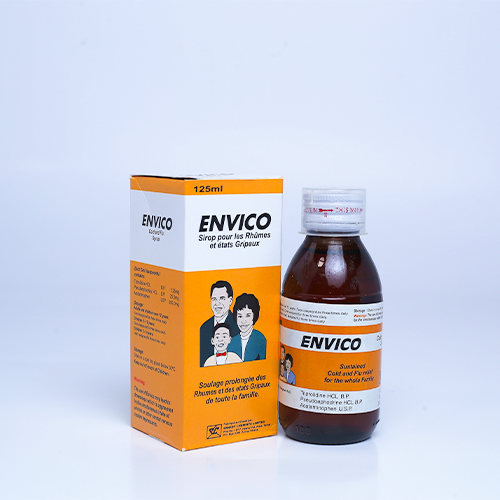
Commonly contains a combination of:
- Paracetamol (Acetaminophen)
- Phenylephrine
- Caffeine
(Some formulations may vary by country/manufacturer.) (medbroadcast.com)
Category / Class
- Cold and flu combination medication
- Analgesic + decongestant + stimulant
Use / Indications
Used for relief of:
- Common cold symptoms
- Flu symptoms
- Nasal congestion
- Headache
- Fever
- Body aches
- Sinus pressure
- Fatigue associated with colds/flu
Mechanism of Action
- Paracetamol reduces pain and fever.
- Phenylephrine shrinks swollen nasal blood vessels to relieve congestion.
- Caffeine helps reduce drowsiness and may improve alertness.
Direction of Use
Typical adult use:
- Usually 1–2 tablets/capsules every 4–6 hours as needed
- Follow package instructions carefully
Instructions:
- Take with water
- Avoid exceeding recommended daily dose
- Avoid taking near bedtime due to caffeine
- Do not combine with other paracetamol-containing products
Common Side Effects
- Nervousness
- Insomnia
- Dizziness
- Dry mouth
- Nausea
- Increased heart rate
- Restlessness
- Mild stomach upset
Serious Side Effects
Seek medical attention if patient develops:
- Severe allergic reaction
- Chest pain
- Severe dizziness
- Difficulty breathing
- Severe high blood pressure
- Liver damage symptoms (yellow eyes/skin, dark urine)
Warnings
Do NOT use in:
- Severe hypertension
- Severe heart disease
- Allergy to any component
- Severe liver disease
Important warnings:
- Excess paracetamol may cause liver failure
- Avoid alcohol during use
- Use cautiously in:
- Diabetes
- Hyperthyroidism
- Glaucoma
- Enlarged prostate
Drug Interactions
Use cautiously with:
- MAO inhibitors
- Antidepressants
- Other cold/flu medications
- Alcohol
- Warfarin
- Stimulants/caffeine-containing products
- Blood pressure medicines
Cautions
- Avoid driving if dizziness occurs
- Limit caffeine intake from coffee/energy drinks
- Maintain hydration
- Seek medical advice if symptoms persist more than a few days
- Use cautiously in elderly patients