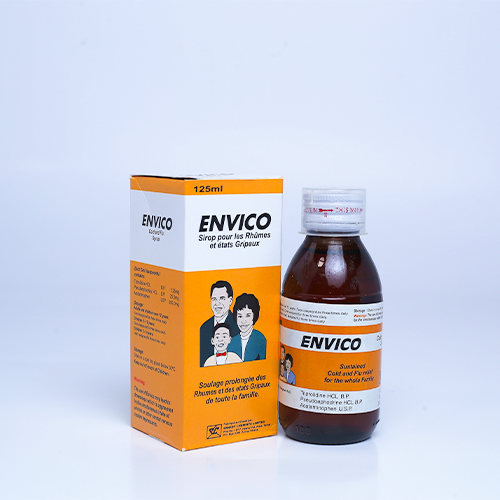
PRODUCT DETAIL
Composition
The exact ingredient depends on the specific Sudafed product version.
Common active ingredients include:
- Pseudoephedrine hydrochloride (oral tablets/syrup)
- OR Xylometazoline hydrochloride (nasal spray/drops)
These are nasal decongestants that shrink swollen nasal blood vessels.
Indication / Use
Used for temporary relief of:
- Blocked nose / nasal congestion
- Common cold
- Sinus congestion
- Hay fever/allergic rhinitis
- Flu-related nasal stuffiness
It works by:
- Reducing swelling inside the nose
- Improving airflow and breathing
Direction of Use
If TABLET/SYRUP (Pseudoephedrine)
Typical adult dose:
- 1 tablet every 4–6 hours
- Follow product-specific instructions
- Avoid taking close to bedtime (may cause insomnia)
If NASAL SPRAY/DROPS
- Usually:
- 1 spray/drop in each nostril
- Up to 2–3 times daily
- Do NOT use for more than:
Side Effects
Common
- Dry nose or throat
- Nervousness
- Restlessness
- Fast heartbeat
- Difficulty sleeping (insomnia)
- Headache
- Dizziness
Less common
- Palpitations
- Increased blood pressure
- Nausea
Rare but serious
- Severe allergic reaction
- Chest pain
- Severe hypertension
- Rebound congestion (especially sprays overused)
Warnings
Do NOT use (or seek medical advice first) if you have:
- Severe high blood pressure
- Heart disease
- Hyperthyroidism
- Glaucoma
- Severe prostate enlargement
- Uncontrolled diabetes
Nasal sprays can cause:
- Rebound congestion (rhinitis medicamentosa) if used too long
Avoid use with:
- MAOI antidepressants (current or within 14 days)
Interactions
May interact with:
- MAO inhibitors
- Other stimulants
- Blood pressure medicines
- Antidepressants
- Caffeine (may increase jitteriness)
- Other decongestants
Caution
- Avoid excessive caffeine while taking oral Sudafed
- May cause insomnia → best avoided late evening
- If congestion lasts >1 week:
- Could indicate sinus infection or allergy
- People with glaucoma should use cautiously because some decongestants may increase eye pressure
- Use carefully in elderly patients